







中國傳統(tǒng)文化:元宵節(jié)的來歷、習(xí)俗和祝福語的英語用法
來源:高考網(wǎng)整理 2022-02-16 11:40:54
Happy Lantern Festival !
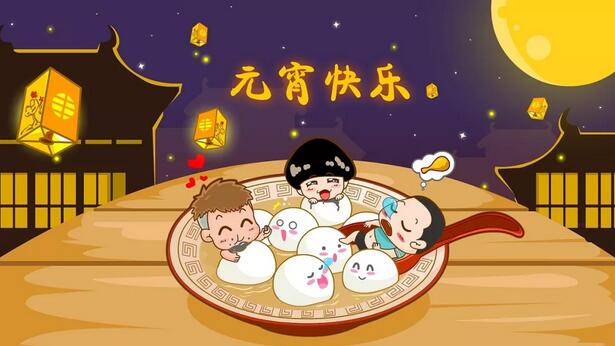
正月是農(nóng)歷的元月,古人稱夜為“宵”,所以稱正月十五為元宵節(jié)。元宵節(jié)又稱為“上元節(jié)”。按中國民間的傳統(tǒng),在這天人們要點(diǎn)彩燈、猜燈謎、吃元宵。小伙伴們知道元宵節(jié)相關(guān)的英語表達(dá)嗎?一起來學(xué)習(xí)吧!
元宵節(jié)的意義
The Lantern Festival falls on the 15th day of the 1st lunar month. It is the first full moon of the new year, symbolizing unity and perfection.
元宵節(jié)在農(nóng)歷第一個(gè)月的十五號(hào),它是新的一年的第一次滿月,象征著團(tuán)圓和美。
元宵節(jié)的起源
the Han Dynasty(206BC-220AD), Buddhism flourished all over China. One emperor heard that Buddhism monks would watch sarira , or remains from the cremation of Buddha's body , and light laterns to worship buddha on the 15th day of the 1st lunar month, so he ordered to light laterns in the imperial palace and temples to show respect to Buddha on this day. Later, the Buddhist rite developed into a grand festival among common people and its influence expanded from the Central Plains to the whole China.
東漢明帝時(shí)期,明帝提倡佛教,聽說佛教有正月十五日僧人觀舍利,點(diǎn)燈敬佛的做法,就命令這一天夜晚在皇宮和寺廟里點(diǎn)燈敬佛,令士族和庶民都掛燈。以后這種佛教禮儀節(jié)日逐漸演變?yōu)槊耖g盛大的節(jié)日。元宵節(jié)經(jīng)歷了由宮廷到民間,由中原到全國的發(fā)展過程。
元宵節(jié)的習(xí)俗
中國傳統(tǒng)的過年,一般要持續(xù)到元宵節(jié),元宵節(jié)一過也象征過年的結(jié)束,人們就要恢復(fù)正常的生產(chǎn)和生活了。在元宵節(jié)期間,人們舉行各種民俗活動(dòng),賞月、觀花燈、猜燈謎、放煙花、舞龍燈、舞獅子、跑旱船、踩高蹺、扭秧歌,普天同慶,其樂融融。元宵節(jié)也成為中國諸多傳統(tǒng)節(jié)日當(dāng)中最熱鬧的一個(gè),可以稱為中國的“狂歡節(jié)”。
元宵習(xí)俗
guess the riddle 猜燈謎
play the dragon latern 耍龍燈
lion dance 舞獅子
a land boat dance 劃旱船
stilt walk 踩高蹺
yangko 扭秧歌
enjoy the beautiful laterns 賞花燈
set off fire works 放煙花
play couples game 對(duì)對(duì)聯(lián)
have tangyuan/yuanxiao 吃湯圓/元宵
元宵節(jié)常用英語
the Lantern Festival 元宵節(jié)
rice glue ball 元宵
glutinous rice 糯米
lions/dragons dancing 舞龍/舞獅
guess lantern riddles 猜燈謎
play couplets game 對(duì)對(duì)聯(lián)
enjoy beautiful lanterns 賞花燈
snuff 燈花
exhibit of lanterns 燈會(huì)
dragon lantern dancing 耍龍燈
walking on stilts 踩高蹺
land boat dancing 劃旱船
yangko/yangge dance 扭秧歌
beating drums while dancing 打太平鼓
drum dance 腰鼓舞
fireworks party 焰火大會(huì)
traditional opera 戲曲
variety show/vaudeville 雜耍
Lantern Festival's temple fair 元宵廟會(huì)
colored lanterns' temple fair 彩燈廟會(huì)
吃元宵

People will eat yuanxiao, or rice dumplings, on the Lantern Festival, so it is aslo called the “Yuanxiao Festival”, Yuanxiao also has another name, tangyuan. It is small dumpling balls made of glutionous rice with rose petals, sesame, bean paste, walnut meat, dried fruit, sugar and edible oil as filling. Tangyuan can be boiled, fried or steamed. It tastes sweet and has the meaning of reunion. So people eat them to denote union, harmony and happiness for the family.
民間過元宵節(jié)都會(huì)吃元宵。元宵由糯米制成,或?qū)嵭模驇юW,餡有豆沙、白糖、山楂、各類果料等。食用時(shí)煮、炸、蒸皆可。起初,人們把這種食物叫作“浮圓子”,后來又叫湯團(tuán)或湯圓,這些名稱與“團(tuán)圓”字音相近,取團(tuán)圓之意,象征全家人團(tuán)團(tuán)圓圓和睦幸福。
猜燈謎
"Guessing lantern riddles"is an essential part of the Festival. Lantern owners write riddles on a piece of paper and post them on the lanterns. If visitors have solutions to the riddles, they can pull the paper out and go to the lantern owners to check their answer. If they are right, they will get a little gift. The activity emerged during people's enjoyment of lanterns in the Song Dynasty (960-1279). As riddle guessing is interesting and full of wisdom, it has become popular among all social strata.
猜燈謎也是元宵節(jié)活動(dòng)的一個(gè)基本組成部分。燈籠的所有者將謎語寫在一張紙條上,然后將紙條展示在燈籠上。如果賞燈者猜出謎語,就將紙條取出,然后找燈籠所有者確認(rèn)答案。打?qū)Φ脑挘麄兙涂梢灶I(lǐng)取一份小禮品。這個(gè)活動(dòng)起源于宋朝(960——1279)。猜燈謎活動(dòng)極富情趣和智慧,因此在全社會(huì)廣受歡迎。
元宵節(jié)經(jīng)典句型
經(jīng)典句型:
How shall we celebrate the Festival of Lanterns?
我們?cè)趺磻c祝元宵節(jié)呢?
A:How shall we celebrate the Festival of Lanterns?
甲:我們?cè)趺磻c祝元宵節(jié)呢?
B:Let's enjoy the colorful lanterns in the evening.
乙:我們晚上去賞彩燈吧。
A:I prefer to go to the dragon dances.
甲:我更想去看舞龍。
We eat yuanxiao in this festival.
我們?cè)谶@個(gè)節(jié)日吃元宵。
A:What do you eat in the Festival of Lanterns?
甲:你們?cè)谠?jié)吃什么呢?
B:We eat yuanxiao in this festival.
乙:我們?cè)谶@個(gè)節(jié)日吃元宵。
A:Is that the rice glue ball?
甲:就是用糯米粉做的元宵?
B:Yes, it's delicious. We have other activities like the lantern riddles.
乙:是的,很好吃。我們還有其他的活動(dòng),比如猜燈謎。
A:it's so interesting.
甲:真有趣。
元宵節(jié)祝福語
在元宵節(jié)來臨之際,祝你平安,快樂,幸福。萬事圓!
Wishing you peace, joy and happiness and everything all the best through Lantern !
致以熱烈的祝賀和良好的祝福,元宵節(jié)快樂!
Warm greetings and best wishes for Lantern Festival!
快樂的元宵之際,謹(jǐn)致我的想念與祝福。
Thinking of you and wish you a Happy Lantern Festival.
愿你元宵節(jié)幸福無盡。
May Lantern Festival be filled with happiness for you .
猜燈謎是元宵節(jié)的傳統(tǒng)項(xiàng)目,可猜么多燈謎,英文的你猜得中嗎?
1、What letter is an animal?
哪個(gè)字母是一個(gè)動(dòng)物?
2、What fruit is never found singly?
什么水果永遠(yuǎn)都不會(huì)是單數(shù)?
3、What never asks questions but gets a lot of answers?
什么東西永遠(yuǎn)不問問題但是卻能得到很多?
4、What has a tongue but cannot talk?
什么東西有舌頭但是卻不會(huì)說話?
5、What has four eyes but cannot see?
什么有四個(gè)眼睛,但是看不見?
6、What's full of holes but still holds water?
什么東西渾身是洞,卻能裝水?
7、Which month do soldiers hate?
軍人最討厭哪個(gè)月份?
8、What word is pronounced wrong, even by the best of scholars?
哪個(gè)單詞即使是最好的學(xué)者來念都念錯(cuò)?
9、What is black when it's clean and white when it's dirty?
什么東西干凈的時(shí)候是黑色的,臟的時(shí)候是白色的?
10、What is deaf and dumb but always tells the truth?
什么是聾啞的,但是卻總是告訴我們真相?
11、Which is faster, hot or cold?
熱和冷哪個(gè)速度更快?
12、What man cannot live in a house?
什么人不能住在房間里?
13、How do we know the ocean is friendly?
我們?nèi)绾沃篮Q笫怯焉频模?br />
14、What book has the most stirring chapters?
什么書有最動(dòng)人的章節(jié)?
15、What building has the most stories?
什么建筑樓層最多?
16、When is your mind like a rumpled bed?
你的腦子什么時(shí)候像皺巴巴的床?
17、What is it that everybody does at the same time?
所有人同時(shí)在做的事情是什么?
18、What kind of water should people drink in order to be healthy?
為了保持健康應(yīng)該喝什么水?
19、It has a head, but no neck. It has a body, but no warmth. NO feet, but can travel?
它有頭,但沒脖子;有身體,卻沒溫度;沒有腳,但是能旅行。它是什么?
20、What kind of dog doesn't bite or bark?
什么樣的狗不叫,也不咬人?
相關(guān)推薦:
最新高考資訊、高考政策、考前準(zhǔn)備、志愿填報(bào)、錄取分?jǐn)?shù)線等
高考時(shí)間線的全部重要節(jié)點(diǎn)
盡在"高考網(wǎng)"微信公眾號(hào)